Home Foundations And Why Material Matters
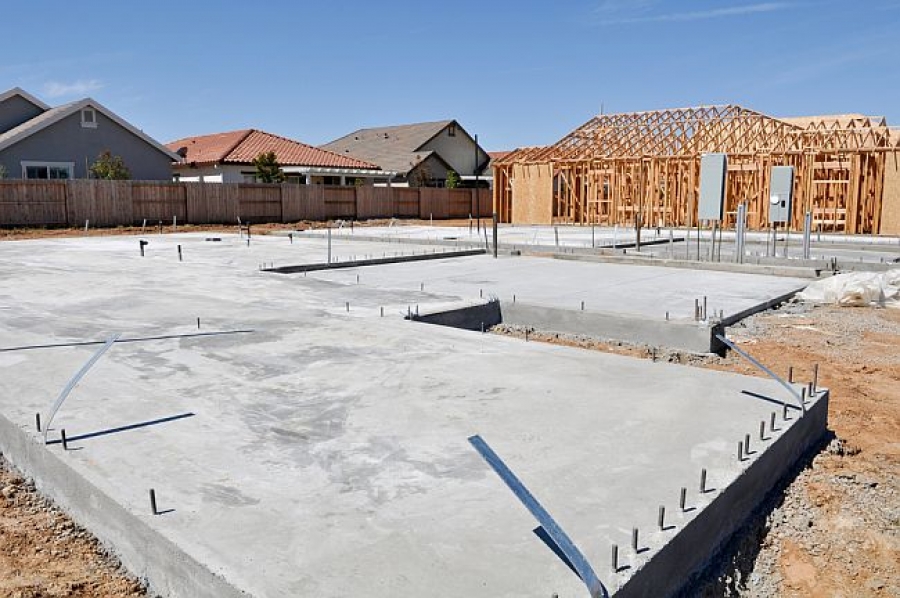
The typical single-family home can weigh anywhere from 80,000 to 160,000 pounds. Foundations provide a solid base for a home's weight, help to ensure the house stays level and provides a base for construction to take place. Foundations matter, and so does the material that they're made of. Here's a closer look at both, starting with materials and why they matter.
Before buying or constructing your dream home, it's important to be familiar with foundations to help you better understand how to prevent damage or make necessary repairs. Let's start with materials and why they matter.
Foundation Materials:
Concrete
The most common material used to create a home's foundation is concrete—by far. Typically poured or constructed with a series of cinder blocks, concrete is fairly inexpensive, easy to find and produce, and strong. Although poured concrete is prone to cracking, these repairs are often affordable and easy to have done, especially if it is being done from the interior.
Drawbacks of concrete vary based on the type of foundation. Cinder blocks may buckle over time and can involve expensive repairs. Poured concrete requires a mixer on site to perform installation. This means installation costs can escalate if a concrete facility isn't close by.
Pre-Built Walls
Pre-built walls typically consist of studded wall construction that's been coated in a concrete layer. It installs quickly, is always level and makes discovering problems easier. However, pre-built walls are more expensive than other types of foundations.
Stone and Brick
Laid stone and brick are two other foundation types commonly found in older homes. Stone foundation usually isn't equipped with the right type of drainage systems. Brick foundations, though typically thick and adequate, tend to degrade over time and are also prone to mortar issues.
Foundation Types
Foundations don't just come in many materials, they take different shapes. Let's take a look at the three most popular foundation types -- slabs, crawlspaces and basements:
Basements
Cold weather climates are the most popular location for basement installation. This is because the foundation of the home needs to exist beneath the frost level in order to sufficiently support it. They're typically made of poured concrete, and many also serve as a place where home appliances are located (i.e., hot water tanks, furnaces, washing machines, etc.). Occupants often take advantage of the extended headroom to turn the area into additional living space.
Prone to flooding, fully underground basements can be costly if your yard doesn't quickly absorb or drain rainfall. Basement walls and floors are also susceptible to cracking, which require repair to keep moisture out and maintain structural integrity.
Slabs
A slab is nothing more than poured concrete that exists on a grade of land. This type of foundation is particularly popular in warm weather climates, where water tables are higher. It's installed about a foot underground and usually reinforced with steel.
Slabs are a cheaper type of foundation and, unlike a basement, reduce flooding risk. However, slabs are prone to cracking and can also provide difficulties for incorporating heating and cooling ducts into the home.
Crawlspaces
Crawlspaces are foundations that exist beneath a home with limited headroom. Though headroom is at a premium, it's typically enough to store certain appliances, piping, ductwork and more. The majority don't permit the additional living space of a basement because they're approximately two to four feet high.
Installing a crawlspace is cheaper than a basement, but more expensive -- yet more functional -- than a slab. Other big disadvantages include susceptibility to moisture issues and serving as a favorite place for pests and rodents to seek shelter in. The good news is, you can waterproof your crawlspace.
Worried that your foundation may be in need of repair? According to this article on HomeAdvisor, signs that your foundation needs attention include misaligned exterior doors and windows, cracks in stonework, sheetrock, and floors, bulges in the floor, or interior doors sticking or jamming. Consult a professional if you think your foundation is in trouble.
Want to estimate your home improvement costs before talking with a contractor? Claim your home for free with bluehammer to estimate costs, secure your home inventory and learn more about your home.
* THIS REPORT IS AN OPINION THAT MAY BE INACCURATE AND IS PROVIDED SOLELY AS AN INFORMATIONAL TOOL NOT DESIGNED TO PROVIDE DEFINITIVE ANSWERS. ALL ELEMENTS ARE OFFERED "AS IS" AND BLUEBOOK EXPRESSLY DISCLAIM ANY AND ALL WARRANTIES, REPRESENTATIONS, AND GUARANTEES OF ANY NATURE, EXPRESS, IMPLIED OR OTHERWISE, INCLUDING BUT NOT LIMITED TO ANY IMPLIED WARRANTIES OF MERCHANTABLITILY, NONINFRINGEMENT, TITLE, QUIET ENJOYMENT, ACCURACY, OR FITNESS FOR A PARTICULAR PURPOSE. IN NO EVENT SHALL BLUEBOOK (OR THEIR SUPPLIERS) BE LIABLE FOR ANY GENERAL, DIRECT, SPECIAL, INCIDENTAL, INDIRECT OR CONSEQUENTIAL DAMAGES OF ANY KIND, OR ANY DAMAGES WHATSOEVER (INCLUDING WITHOUT LIMITATION, THOSE RESULTING FROM USE OF THE PRODUCT, INCLUDING : (1) RELIANCE ON THE MATERIALS PRESENTED, (2) COSTS OF REPLACEMENT GOODS, (3) LOSS OF USE, DATA OR PROFITS, (4) DELAYS OR BUSINESS INTERRUPTIONS, (5) AND ANY THEORY OF LIABILITY, ARISING OUT OF OR IN CONNECTION WITH THE USE OR PERFORMANCE OF INFORMATION) WHETHER OR NOT BLUEBOOK HAS BEEN ADVISED OF THE POSSIBILITY OF SUCH DAMAGES.